
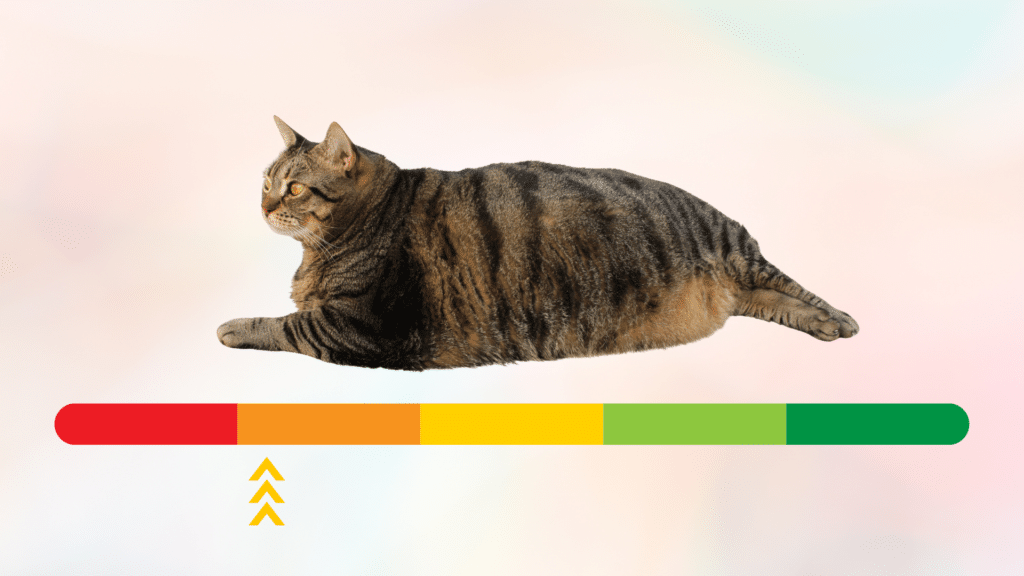
If your cat looks a little rounder lately, feels heavier when you pick them up, or seems less interested in jumping and playing, you may be wondering whether you have an overweight cat. Weight gain can develop gradually, so changes are not always obvious from day to day.
For cat owners in Kansas City, noticing shifts in body shape, appetite, and activity can be a good reason to speak with a veterinarian. A professional assessment from Animal Medical Center of Kansas City can determine whether extra weight is present and whether nutrition, lifestyle, or a medical concern may be contributing.
Why Extra Weight Can Affect Your Cat’s Health
An overweight cat can face health concerns that extend beyond appearance. Excess body fat may increase the risk of conditions, such as diabetes, and can place additional stress on joints, potentially making movement less comfortable. Cats carrying extra weight may become less active or have difficulty grooming certain areas of their bodies. Mai
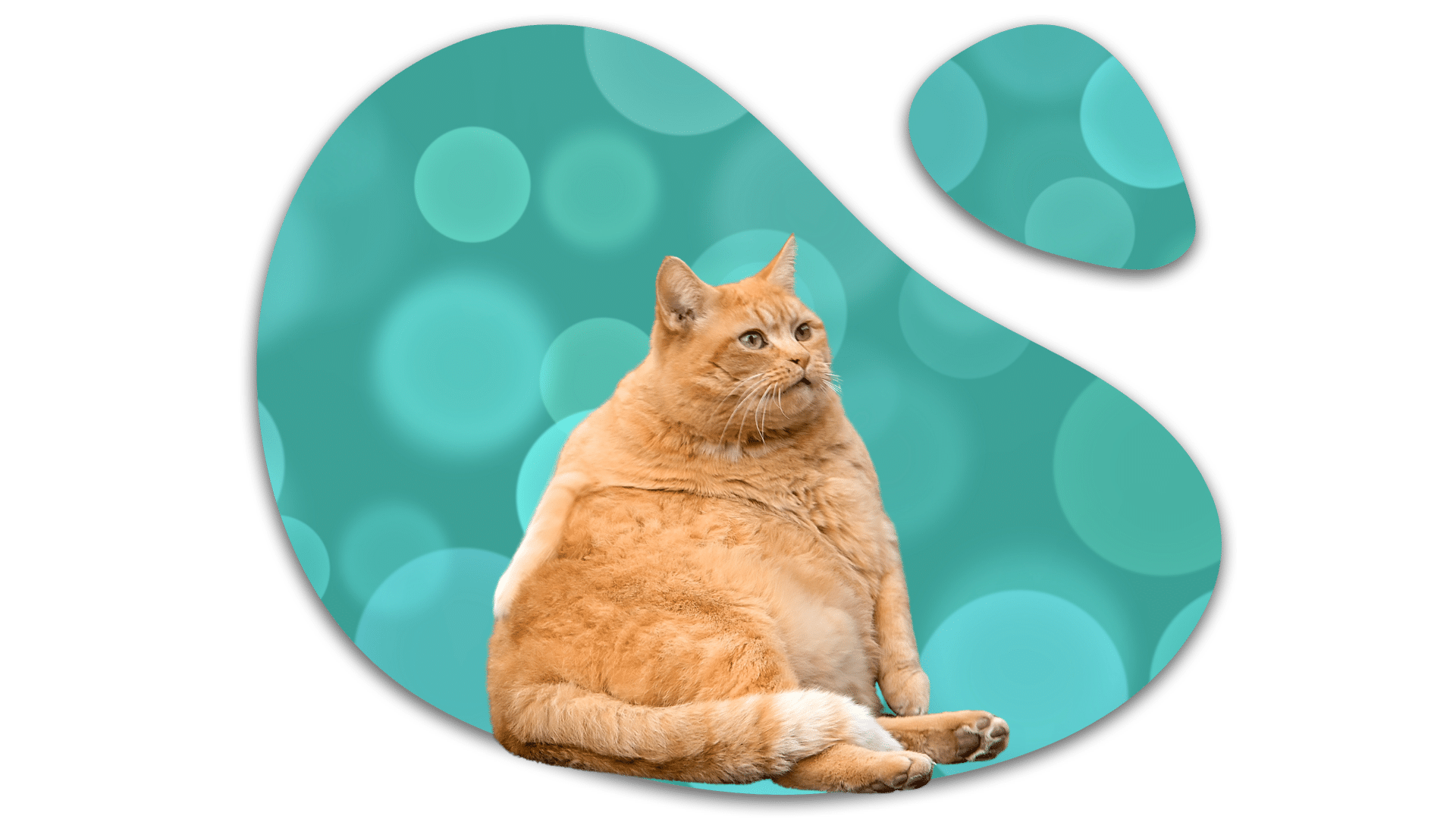
Why Cats Gain Extra Weight
Consuming more calories than the body uses is the most common reason cats gain weight. Large portions, frequent treats, free-feeding, and calorie-dense foods can contribute, particularly when a cat has a low activity level. Age and changes in routine may affect how much food an individual cat needs. Medical conditions sometimes contribute to weight changes, which is why an overweight cat should be evaluated before beginning a restrictive diet.
How to Tell if Your Cat Is Overweight
The number on the scale is only one part of evaluating your cat’s body condition. In general, you should be able to feel the ribs without pressing through a thick layer of fat, and there should be some definition at the waist when your cat is viewed from above. A rounded abdomen or reduced waistline can be signs worth discussing with your veterinarian. You can review this cat body condition scoring chart for a visual reference, but a veterinary exam provides an individualized assessment.
When to Schedule a Veterinary Visit
If your cat begins gaining weight unexpectedly, consider scheduling a veterinary visit before making major changes to meals. A veterinarian can assess body condition, review feeding habits and treats, discuss activity levels, and determine whether further evaluation is appropriate. This creates a safer starting point for developing a weight-management plan suited to your pet. Regular veterinary care can keep progress on track while reducing the risk of overly rapid weight loss.

Three Quick Tips for Healthy Weight Management
- Measure your cat’s meals consistently rather than estimating portions, and account for treats when considering daily food intake.
- Avoid following restrictive diet plans or dramatic calorie-cutting advice from the internet without speaking with your veterinarian first.
- Encourage appropriate daily movement with interactive toys, climbing opportunities, or short play sessions suited to your cat’s age and physical condition.
Weight Management for Cats in Kansas City, MO
Animal Medical Center of Kansas City provides weight management consultations for cats and dogs and serves pet owners from Kansas City, Waldo, Brookside, and Leawood. If you are concerned about an overweight cat or have noticed unexplained changes in your cat’s body condition, schedule an appointment to discuss your concerns with us. Recognizing weight changes early gives you an opportunity to make informed decisions about nutrition and activity for your pet.