
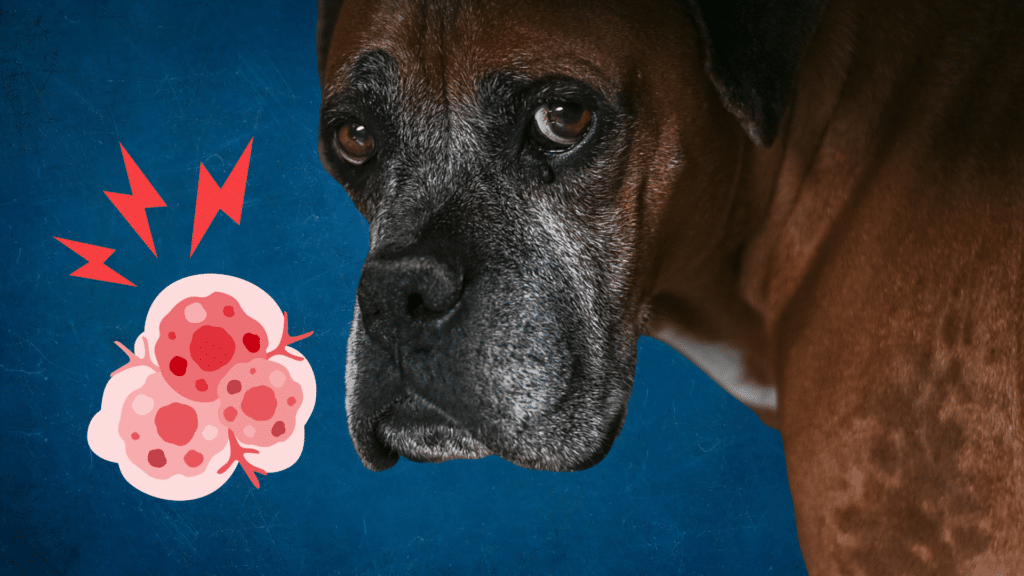
Discovering a lump while giving your dog a belly rub can turn a relaxed moment into a worrying one. You might start thinking about cancer in dogs or wonder whether you should wait to see if the bump disappears. For dog owners in Kansas City, MO, the safest next step is to have a veterinarian at Animal Medical Center of Kansas City evaluate it, even when your dog is eating, playing, and acting like themselves.
We understand how unsettling an unexpected change can feel. Learning what a lump might mean can prepare you for a productive conversation about your dog’s health.
Understanding What a Lump on Your Dog Could Be
According to the AVMA, one in four dogs will get cancer. The likelihood of cancer in dogs rises with age, while certain breeds have a greater risk of specific cancers. Still, being a senior dog does not make cancer inevitable, and younger pets can develop it too.
A lump is a physical finding, not a diagnosis, and several conditions can cause one. Fatty growths, skin cysts, infections, and cancerous tumors may all appear as bumps on or beneath the skin.
Changes Worth Bringing to Your Veterinarian’s Attention
Just a bump is still worth asking about on its own, but you should be aware, too, of growth, bleeding, irritation, or a change in its surface also deserves attention. Possible signs of cancer in dogs include unexplained weight loss, reduced appetite, lower energy, sores that do not heal, and unusual bleeding from the nose, mouth, or other body openings. These signs can occur with other illnesses, so they do not establish a cancer diagnosis.
Tell your veterinarian about changes in your dog’s habits, even if you are unsure whether they relate to the lump. If your dog has difficulty breathing (another potential cancer symptom) bring your dog to an emergency vet immediately.
An Examination May Lead to Cancer Testing
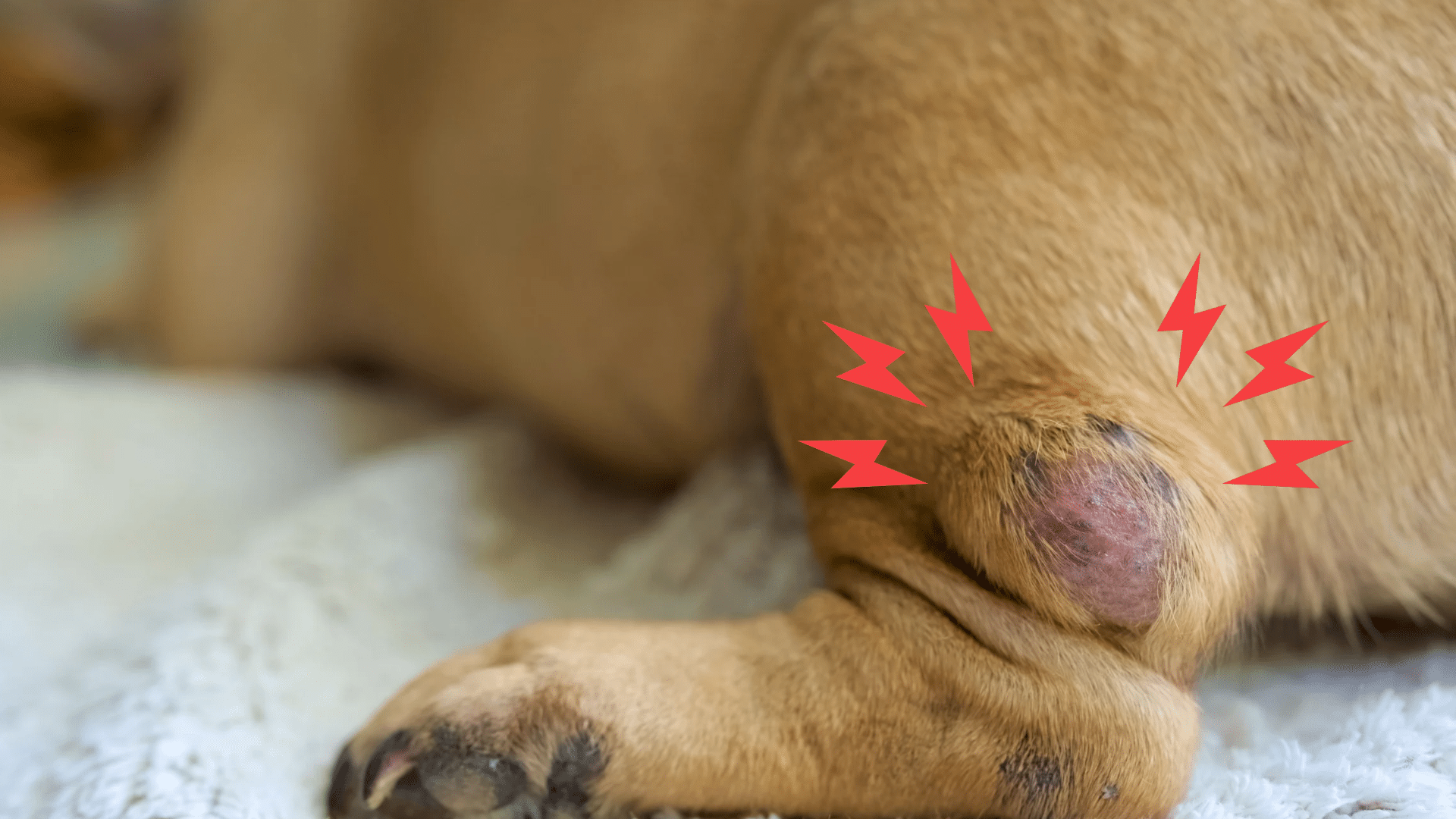
Call Animal Medical Center of Kansas City to see a veterinarian after finding a new mass on your dog and describe its location, size, and any changes you have noticed. We will review your dog’s health history and examine the area, along with your pet’s overall condition. Feeling a growth cannot reliably reveal whether it is benign or cancerous, so a soft, movable, or painless lump may still need testing.
Depending on the findings, a veterinarian may recommend collecting cells with a small needle or taking a tissue sample for laboratory evaluation. Those results guide recommendations about monitoring, further testing, treatment, or referral, rather than relying on a lump’s appearance alone.
Build Skin Checks Into Familiar Moments with Your Pet
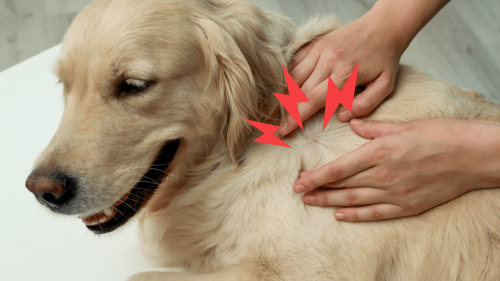
Brushing, quiet petting, or drying your dog after a bath gives you a chance to notice unfamiliar bumps. Gently check the head, neck, body, legs, and belly without squeezing or repeatedly pressing any growths. If your dog is relaxed and allows it safely, lift the lips to look for unusual tissue, sores, or bleeding in the mouth.
Stop if your dog pulls away, seems painful, or resists, and let your veterinarian examine areas you cannot safely check. Keep a simple record of new findings that you can share with the vet.
Some Cancers Are Hidden From View
Not every case of cancer in dogs produces a visible or easily felt lump. Disease affecting internal organs or blood cells may instead cause persistent changes in weight, appetite, stamina, or behavior. A clear skin check does not explain away symptoms that continue or worsen. Arrange an evaluation when your dog seems unwell, even if you cannot point to a specific bump.
Get Answers About Your Dog’s Lump in Kansas City, MO
Animal Medical Center of Kansas City provides veterinary care for dogs and cats from Kansas City, Waldo, Brookside, and the surrounding communities. If you have found a new lump on your pet or noticed another concerning change, book your pet’s visit so we can assess your dog and discuss what comes next.
Try not to jump to the worst conclusion before you have answers. If cancer is diagnosed, our team can explain the findings. You will have guidance as you consider your dog’s needs and comfort.